
Optimal Timing for Asphalt Services
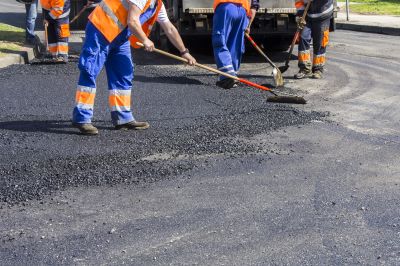
Spring is ideal for asphalt repairs due to moderate temperatures and moisture levels.
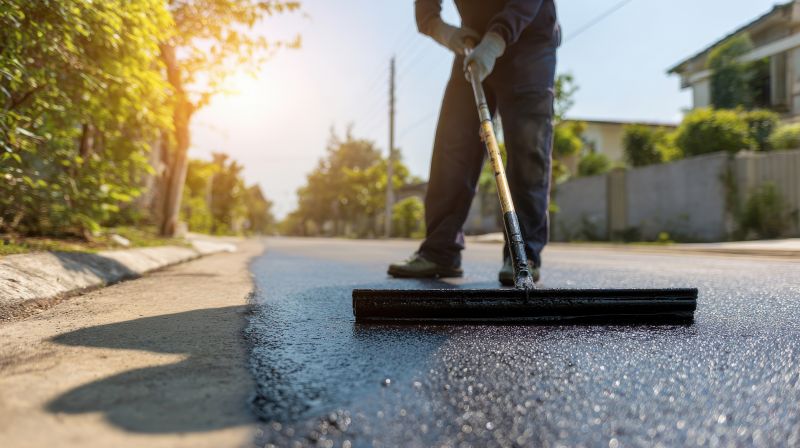
Summer offers warm weather for paving and sealing, ensuring durability.
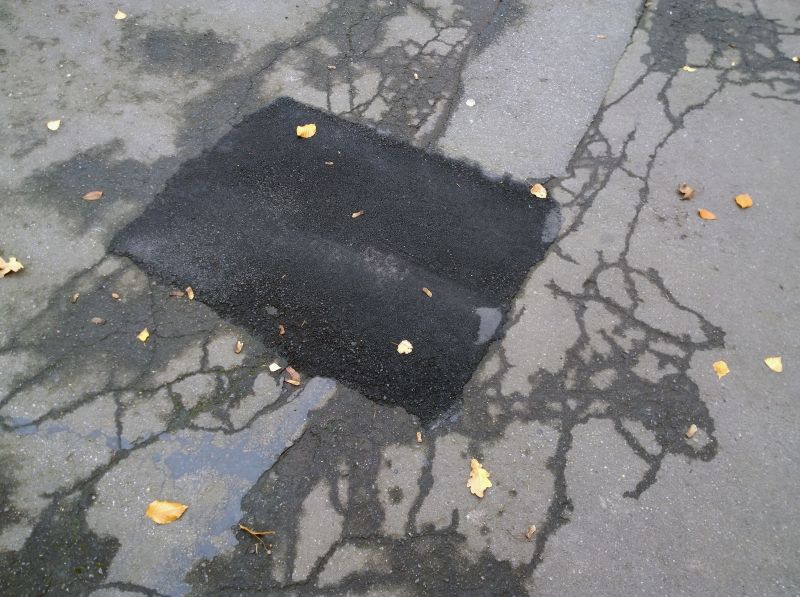
Fall provides cooler temperatures that help asphalt cure properly before winter.
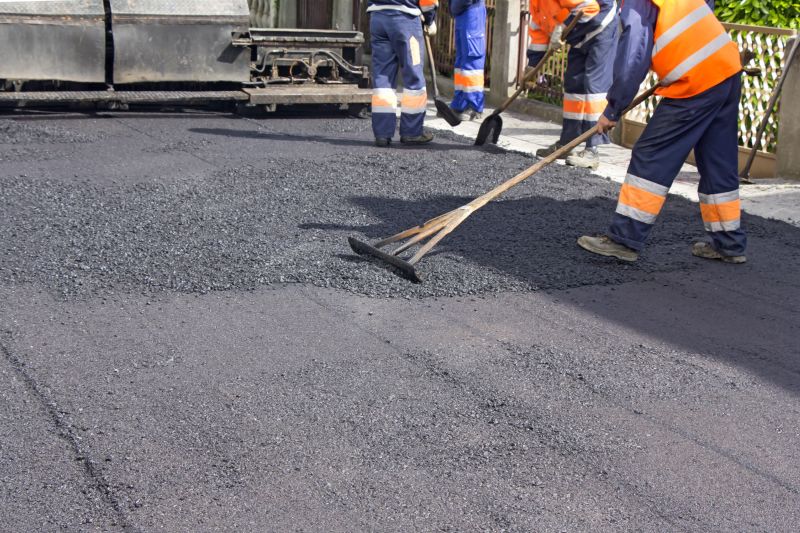
Winter is generally unsuitable for asphalt work due to cold temperatures and precipitation.
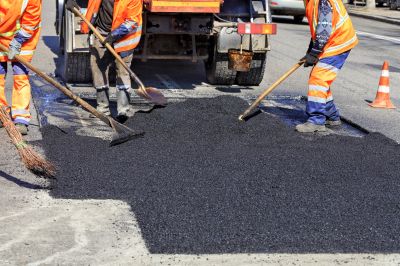
Temperatures between 50°F and 85°F are best for asphalt installation and repairs.
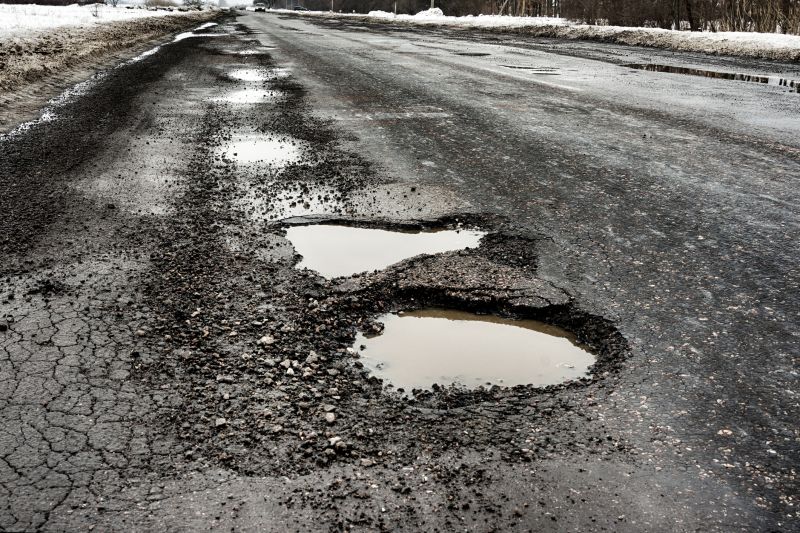
Rain and extreme cold or heat can delay or compromise asphalt projects.
Asphalt service involves maintenance, repairs, and installation of asphalt surfaces such as driveways, parking lots, and roadways. Proper timing ensures the longevity and durability of asphalt pavements. Seasonal weather conditions significantly influence the success of asphalt projects. For example, warm, dry weather promotes optimal curing, while excessive moisture or cold temperatures can cause delays or subpar results.
Statistics indicate that asphalt repairs performed in the spring and fall tend to last longer due to favorable weather conditions. Approximately 70% of asphalt projects are scheduled during these seasons to avoid issues like cracking, potholes, and surface deterioration. Proper timing also reduces the need for frequent repairs, saving costs over time.
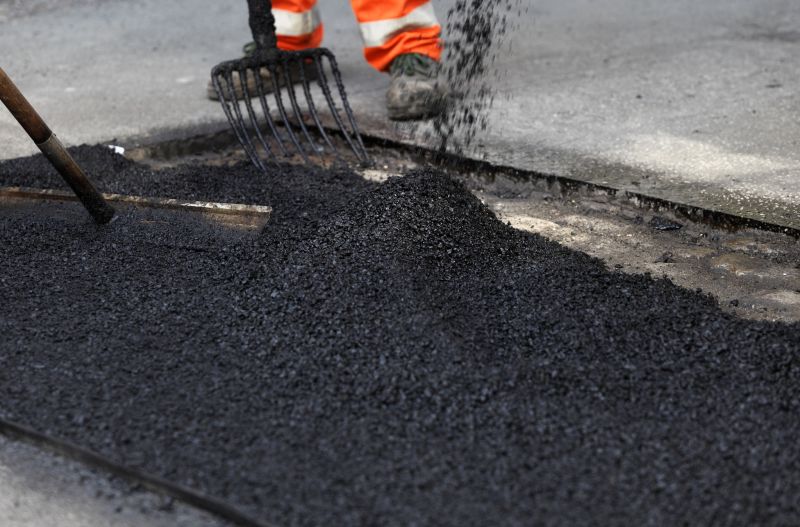
Spring provides ideal temperatures for asphalt installation and repairs.
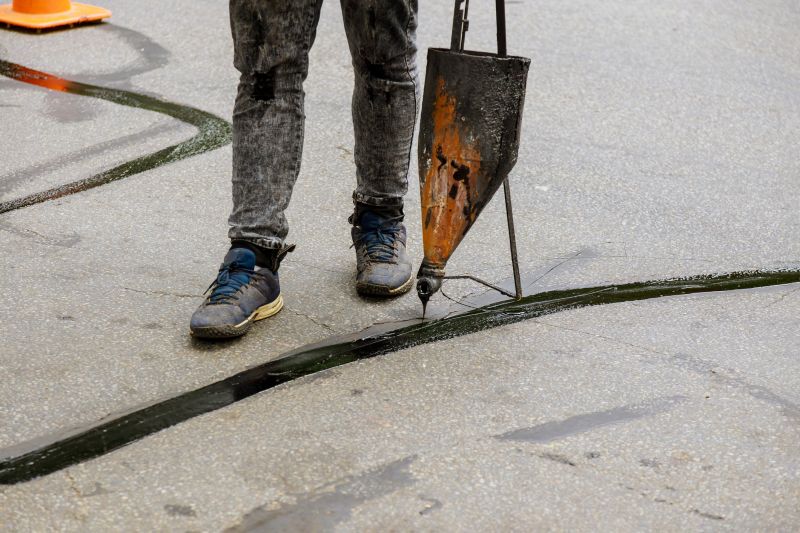
Summer's warmth helps sealcoats cure effectively, protecting surfaces.
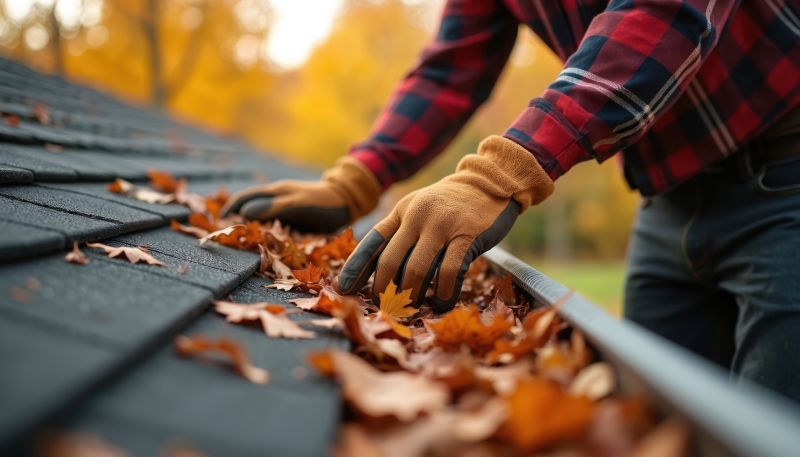
Fall allows asphalt to set before winter, reducing damage risk.
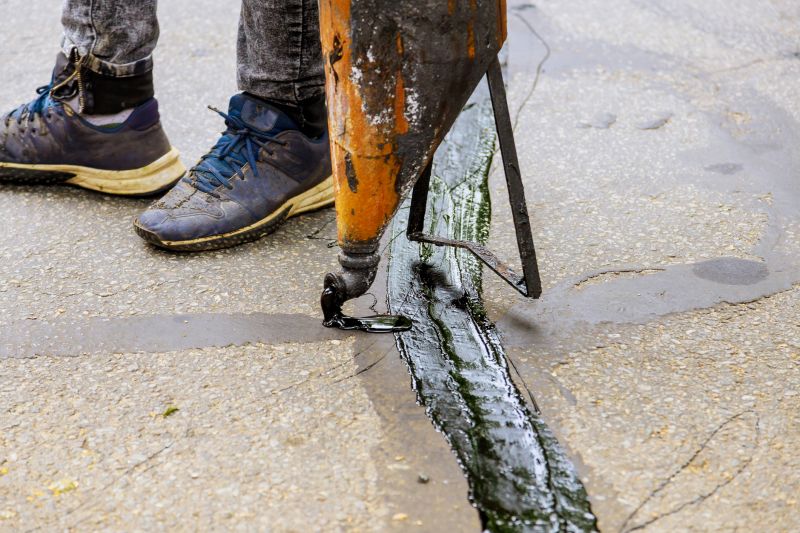
Cold temperatures and snow hinder asphalt work and curing.
Proper timing minimizes weather-related damage and extends pavement life.
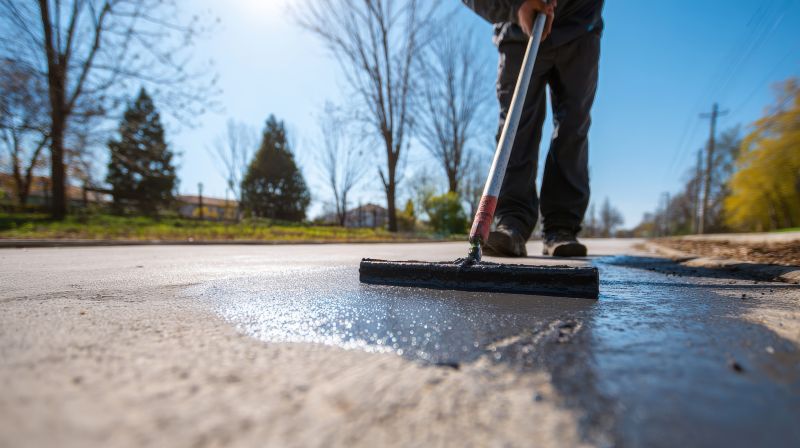
Scheduling during optimal seasons ensures quality and durability.
| Season | Ideal Activities |
|---|---|
| Spring | Repairs, sealcoating, crack filling |
| Summer | Paving, sealing, maintenance |
| Fall | Preparation for winter, repairs |
| Winter | Limited work, planning for spring |
Choosing the right time for asphalt service depends on seasonal weather patterns. Spring and fall are generally preferred for most asphalt projects due to moderate temperatures and lower precipitation. Summer can be suitable for specific tasks like sealing, provided temperatures remain within the optimal range. Winter is typically unsuitable for asphalt work, as cold weather can cause improper curing and surface damage.
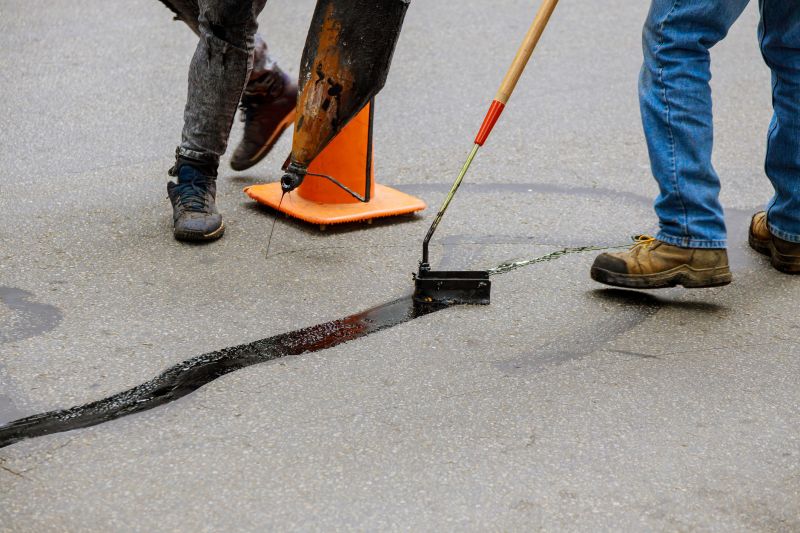
Spring's mild weather supports effective asphalt repairs.
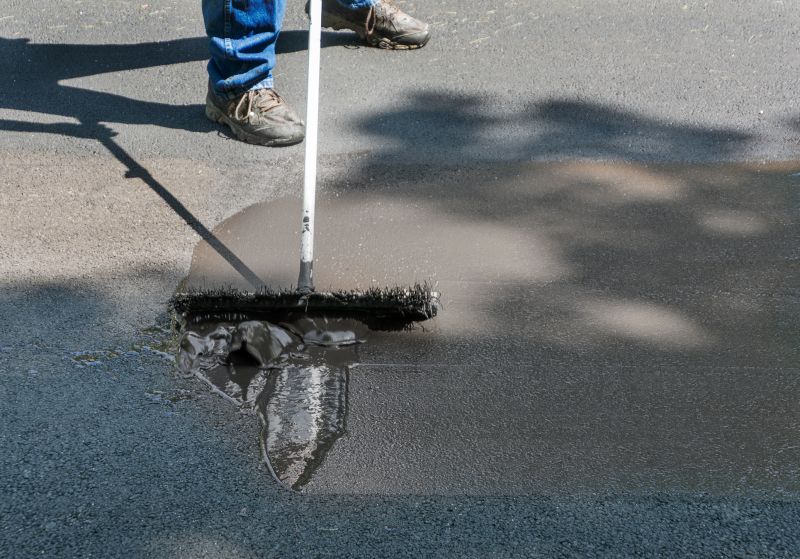
Warm summer days facilitate proper sealcoat curing.
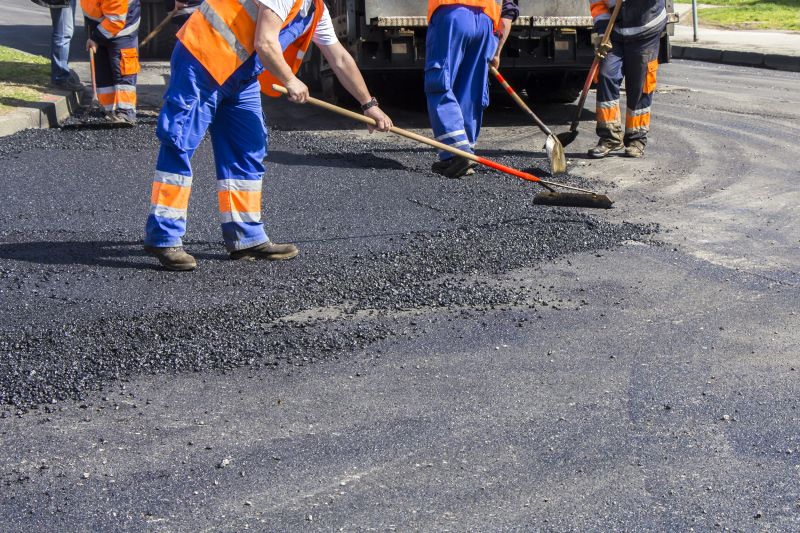
Fall is suitable for repairs to prevent winter damage.
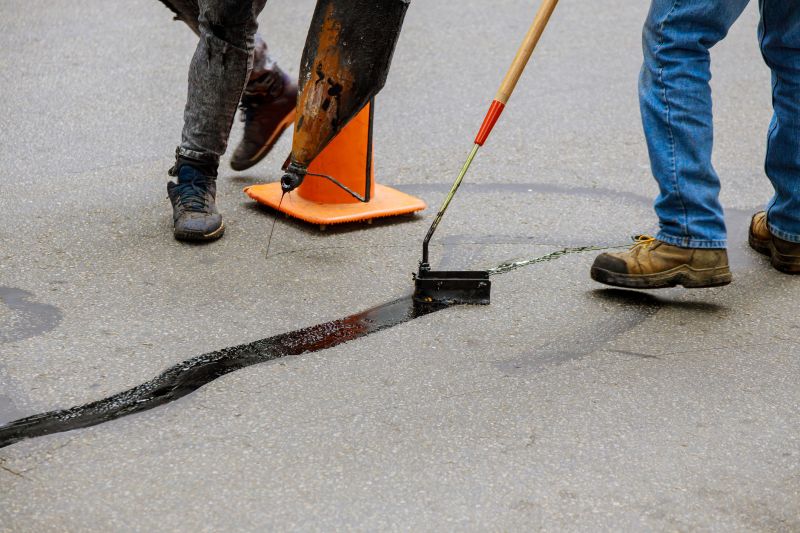
Cold temperatures restrict asphalt work and curing.
Timely asphalt service can significantly impact the lifespan of pavements. Proper planning around seasonal conditions ensures that asphalt surfaces remain durable and functional for years to come. Consulting with asphalt professionals during the planning phase can help identify the best window for specific projects.
Interested parties are encouraged to contact for more information about scheduling asphalt services during optimal seasons. Proper timing, combined with quality workmanship, results in long-lasting asphalt surfaces that require fewer repairs over time.
Ways to make Asphalt Service work in tight or awkward layouts.
Popular materials for Asphalt Service and why they hold up over time.
Simple add-ons that improve Asphalt Service without blowing the budget.